


You may not read Shakespeare in the original. You may not quote him in meetings. But you probably use his words more often than you think.
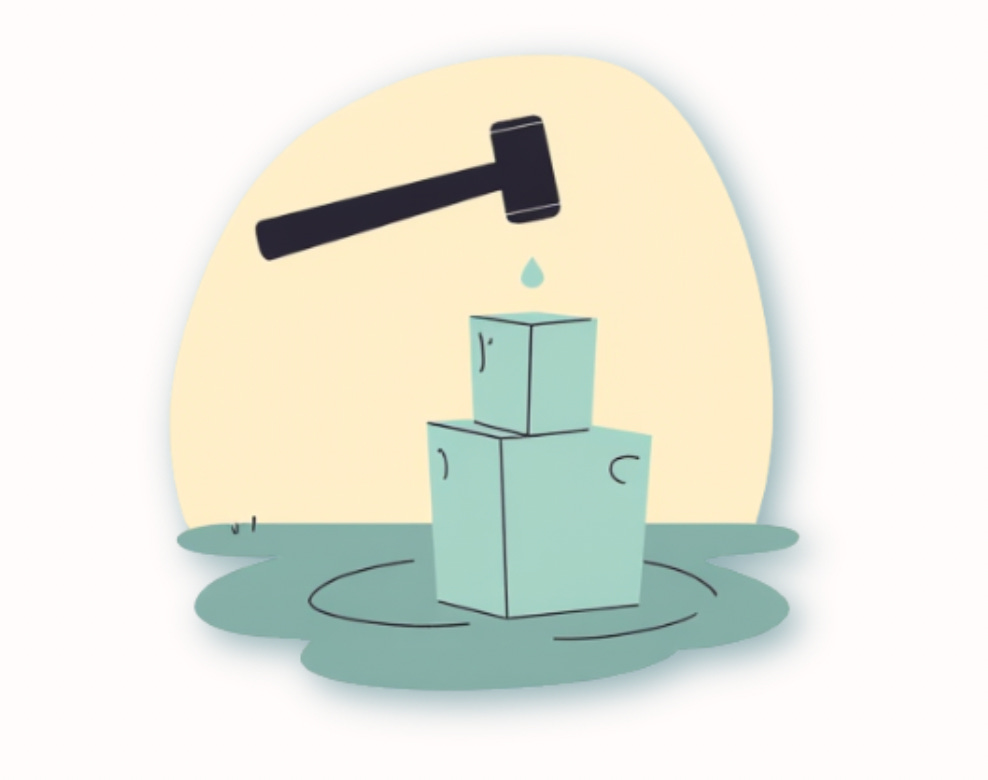
Take this expression: Break the ice.
What it means
To break the ice means to reduce tension at the beginning of a conversation.
It’s what someone does at the start of:
• a tense meeting
• a difficult negotiation
• a first encounter
Sometimes the room falls into an awkward silence.
Sometimes there is an uncomfortable atmosphere.
Breaking the ice helps people start talking.
A simple comment or question can lighten the mood and make discussion easier.
Where it comes from
The phrase appears in The Taming of the Shrew. Tranio uses it when Petruchio decides to pursue Katherine, a strong-willed woman with a difficult temperament. Someone, he suggests, must be bold enough to break the ice — to make the first move in a difficult situation.
In Shakespeare’s time, the image was literal — breaking ice to clear a path for ships.
And here’s the interesting part
This expression didn’t stay in English.
Across Europe, we find almost identical versions:
Polish: przełamać lody
Italian: rompere il ghiaccio
Romanian: a sparge gheața
The image survives.
The idea survives.
So when you say it in your own language, you are already speaking Shakespeare.
A small reflection
The next time a meeting feels tense, notice who breaks the ice.
And how.
This post is part of the Do You Speak Shakespeare? series — exploring expressions that travelled from Shakespeare into modern European languages.